
Croatia is a country celebrated for its mesmerizing coastline, charming towns, and picturesque islands. However, its inland region is equally as stunning, home to lush forests, towering mountains, and a wealth of natural wonders. One of the country’s most captivating natural features is its abundance of waterfalls. From dramatic cascades to peaceful pools, Croatia’s inland waterfalls are breathtakingly beautiful, offering an escape into nature that shouldn’t be missed.
Brief Overview of Croatia’s Natural Beauty
While Croatia is globally recognized for its sparkling Adriatic Sea and coastal attractions, the inland regions hold their own unique appeal. Inland Croatia is a land of diverse landscapes, from the rugged mountains of the Dinaric Alps to the peaceful rivers and serene forests. This region is home to many natural wonders, including Croatia’s enchanting waterfalls, which form an integral part of the country’s landscape and natural heritage.
Importance of Waterfalls in Croatia’s Landscape
Waterfalls are some of the most striking features of Croatia’s inland terrain. Their cascading waters cut through ancient rocks, creating visually stunning scenes that captivate travelers. Beyond their beauty, these waterfalls play a crucial role in the ecosystem, contributing to the biodiversity of the area and offering critical habitats for various species. For visitors, these natural wonders provide both a peaceful retreat and an opportunity for adventure.
Purpose of the Post: To Explore the Most Stunning Waterfalls in Inland Croatia
In this guide, we’ll take you on a journey through some of the most beautiful waterfalls in inland Croatia. From the iconic falls in Plitvice Lakes National Park to the hidden gems in smaller villages, we’ll explore the best places to experience Croatia’s waterfall beauty. Whether you’re a nature enthusiast or simply looking for a serene escape, this post will help you plan your visit to these remarkable natural landmarks.
Plitvice Lakes National Park
Overview of the Park and Its Significance
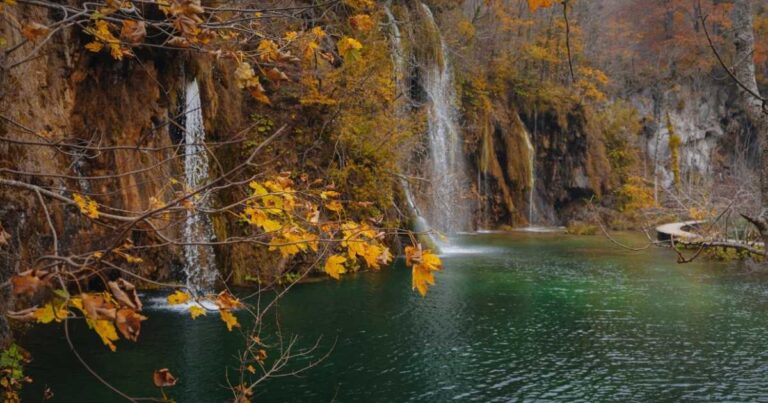
Plitvice Lakes National Park is not only Croatia’s most famous national park but also one of the most iconic natural wonders in Europe. Established as a UNESCO World Heritage Site in 1979, the park is known for its lush green forests, clear turquoise lakes, and, of course, its mesmerizing waterfalls. The park consists of 16 interconnected lakes, all surrounded by dense forests, and linked by waterfalls that cascade over limestone terraces. The entire area is a haven for biodiversity, with numerous plant and animal species calling it home.
Description of the Waterfalls Within the Park
Plitvice Lakes is home to some of Croatia’s most stunning waterfalls. The unique landscape created by these waterfalls is one of the main reasons the park attracts over a million visitors annually.
Veliki Slap (Big Waterfall)
Veliki Slap is the tallest waterfall in Croatia, standing at an impressive 78 meters. The waterfall’s grandeur is awe-inspiring, and it’s one of the park’s main highlights. The water cascades down the cliffs, creating a mist that adds to the ethereal atmosphere. Veliki Slap is visible from several vantage points, and the surrounding walkways allow visitors to get up close to the waterfall, making it an unforgettable experience.
Galovac Waterfall
Located on the lower lakes, the Galovac Waterfall is a smaller but equally stunning waterfall. It is situated near the park’s famous wooden walkways, which offer breathtaking views of the waterfall as it tumbles over rocks into the clear waters below. Galovac Waterfall is an excellent spot for photography and a peaceful spot to enjoy the sounds of nature.
Tips for Visiting: Best Times, Trails, and Photography
- Best Times to Visit: To avoid the crowds, visit during the early morning or late afternoon, especially during the spring and fall when the park is at its most beautiful. Summer can be crowded, but the park remains spectacular year-round.
- Recommended Trails: The park offers several hiking routes, each varying in length and difficulty. For an overview of the main waterfalls, take the route that includes Veliki Slap and the surrounding lakes.
- Photography Tips: The best time for photography is early in the morning when the light is soft, and the mist from the waterfalls creates a magical atmosphere.
Krka National Park
Introduction to Krka and Its Unique Features
Krka National Park, located in central Croatia, is another crown jewel of the country’s natural heritage. Like Plitvice, Krka is home to a series of stunning waterfalls, along with lush greenery, serene rivers, and a variety of wildlife. What sets Krka apart is its accessibility and the unique experiences it offers to visitors. One of the highlights of Krka is that swimming is allowed in some areas, giving visitors the chance to cool off in the crystal-clear waters.
Highlighting the Main Waterfalls
Skradinski Buk
Skradinski Buk is the most famous and largest waterfall in Krka National Park. It is a series of cascades that tumble over a large area, creating a spectacular visual display. The waterfall is surrounded by lush greenery, and the water flows into a large, crystal-clear pool. Visitors can walk along the wooden footpaths that wind through the area, offering stunning views of the waterfall from various angles.
Roški Slap
Roški Slap is another beautiful waterfall in Krka, often considered a hidden gem. Unlike Skradinski Buk, which is more widely known, Roški Slap is smaller and quieter, making it a perfect spot for relaxation and contemplation. The waterfall flows over a series of rocks, creating a series of smaller cascades that are just as beautiful as the larger falls. You can also take a boat ride to get closer to the waterfall, adding a unique element to the experience.
Activities Available: Swimming, Hiking, and Boat Tours
- Swimming: One of Krka’s main attractions is the ability to swim in certain areas of the park, including near Skradinski Buk. The water is refreshingly cool, making it a perfect spot to take a dip during the summer months.
- Hiking: There are several hiking trails within Krka, including those that lead to the park’s most famous waterfalls. The trails vary in difficulty, with some routes offering easy walks and others providing a more challenging adventure.
- Boat Tours: Visitors can take a boat tour along the Krka River, which provides a unique view of the waterfalls and the surrounding landscape. This is a great option for those looking to explore the park from a different perspective.
Rastoke Village
Description of Rastoke and Its Picturesque Setting
Rastoke is a small village located near the town of Slunj, known for its picturesque setting where the Slunjčica River meets the Korana River. This charming village is often referred to as “Little Plitvice” because of its network of waterfalls and mills. The waterfalls in Rastoke are smaller than those in Krka or Plitvice but are no less stunning. The combination of crystal-clear waters, waterfalls, and old mills creates a magical atmosphere that’s perfect for photography and exploring.
Overview of the Waterfalls in the Village
Slapovi Rastoke (Rastoke Waterfalls)
The Slapovi Rastoke (Rastoke Waterfalls) are a series of stunning cascades in the village, where the water flows through a collection of small, charming pools and rapids. The waterfalls are set against a backdrop of traditional wooden houses and old watermills, giving the area a historic and rustic feel. Visitors can walk along the paths that lead through the village, crossing bridges and paths that bring you up close to the falls.
Cultural Significance and Local Attractions
Rastoke is not only known for its natural beauty but also for its cultural heritage. The old mills, many of which are still functioning, provide insight into the traditional way of life in this part of Croatia. The village is also home to several quaint cafes and restaurants, where you can enjoy local delicacies while surrounded by nature. A visit to Rastoke is as much about experiencing the local culture as it is about enjoying the waterfalls.
Conclusion
Recap of the Stunning Waterfalls Discussed
Croatia’s inland region is home to some of the most breathtaking waterfalls in Europe, from the towering cascades of Plitvice Lakes to the peaceful and hidden gems of Rastoke. Krka National Park, with its beautiful waterfalls and outdoor activities, is another must-see destination for waterfall lovers. Whether you’re hiking, swimming, or simply enjoying the scenery, these waterfalls offer unforgettable experiences.
Encouragement to Explore Inland Croatia’s Natural Wonders
While the coastal regions of Croatia are famous for their beaches and historic towns, the inland waterfalls offer a quieter, more peaceful way to experience the country’s natural beauty. By exploring these hidden gems, you’ll not only enjoy stunning landscapes but also escape the crowds and connect with nature on a deeper level.
Final Thoughts on the Beauty and Tranquility of These Locations
Inland Croatia’s waterfalls are some of the most tranquil and beautiful spots in the country. They provide a perfect escape from the hustle and bustle of tourist hotspots, offering a chance to relax, explore, and appreciate the natural beauty of Croatia in a way few other places can.
FAQs
- What is the best time to visit Croatia’s waterfalls?
- The best time to visit is during spring or early fall, when the weather is mild and the waterfalls are at their most spectacular.
- Are there swimming opportunities at all waterfalls in Croatia?
- No, swimming is only allowed at certain waterfalls, such as those in Krka National Park.
- Can I visit all the waterfalls in Plitvice Lakes in one day?
- Yes, it’s possible to visit most of the waterfalls in one day, but it’s recommended to spend at least 6-8 hours exploring the park to fully enjoy the experience.
- Are the waterfalls in Rastoke accessible by car?
- Yes, Rastoke is easily accessible by car, and parking is available near the village.
- What should I bring when visiting Croatia’s waterfalls?
- Be sure to wear comfortable shoes for walking, bring a camera for photos, and pack sunscreen and water, especially in the summer months.